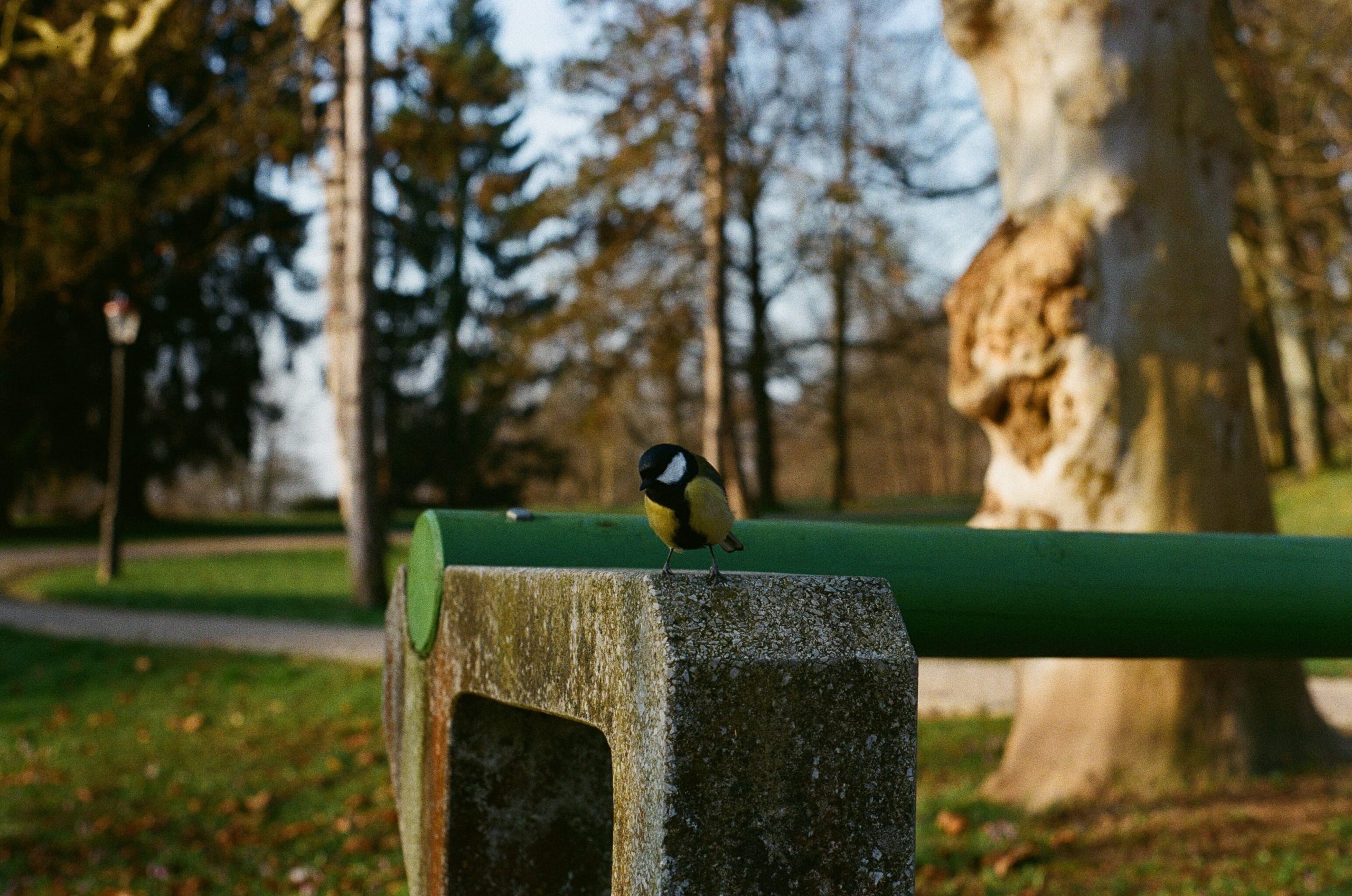
I didn’t climb Mount Kilimanjaro or bikepack across Europe. My nine months off started in 2026 June, and were just regular everyday normal stuff—kind of like an insanely long weekend. I am still happy that I did it, even without the kind of life-defining event you usually read about in sabbatical stories. Such events are not the only way to go about a career break, as it isn’t defined by what you do with the newfound freedom. It’s all about the freedom itself.
The itch that wouldn’t go away
Many people getting their first full-time job have a moment where they think “is this it? Forty years of this?”
I had that thought early in my career too, coming from a background of freelancing and flexible student jobs where time felt like mine to spend. What triggered that thought wasn’t the work itself—I actually loved that first job. It was the constraint. The sheer amount of time and options that full-time work quietly takes off the table. I’m the kind of person who values time more than money, and if it were up to me, a four-day work week would be a universal right.
I didn’t act on any of this of course—I got on with my career, gaining experience and building towards a better future. But the tiredness of it all creeps in slowly, almost unnoticeably. For years I daydreamed about a sabbatical. Not with a specific plan, just a vague but persistent pull toward experiencing that freedom again.
Before the jump
There was no single event that spurred my career break planning to become deliberate. But about six months before I quit, I realized I would not want to remain in my job at the time for much longer, and that’s when the preparation started in earnest.
I modeled my finances in a burndown spreadsheet, calculated a sustainable monthly spend, and planned scenarios A, B and C depending on how long the break would last and how the job market would look when I returned. I even anticipated spending six months job hunting with no luck—unlikely given my experience, but I like to be prepared.
Having all of that laid out in front of me before I jumped gave me a sense of calm when facing the scary open-endedness of a sabbatical that I was about to embark on.
The day-to-day
The first month, on my friends’ advice, I tried being deliberately unproductive. It took a while to get the hang of, but eventually it helped with the decompression.
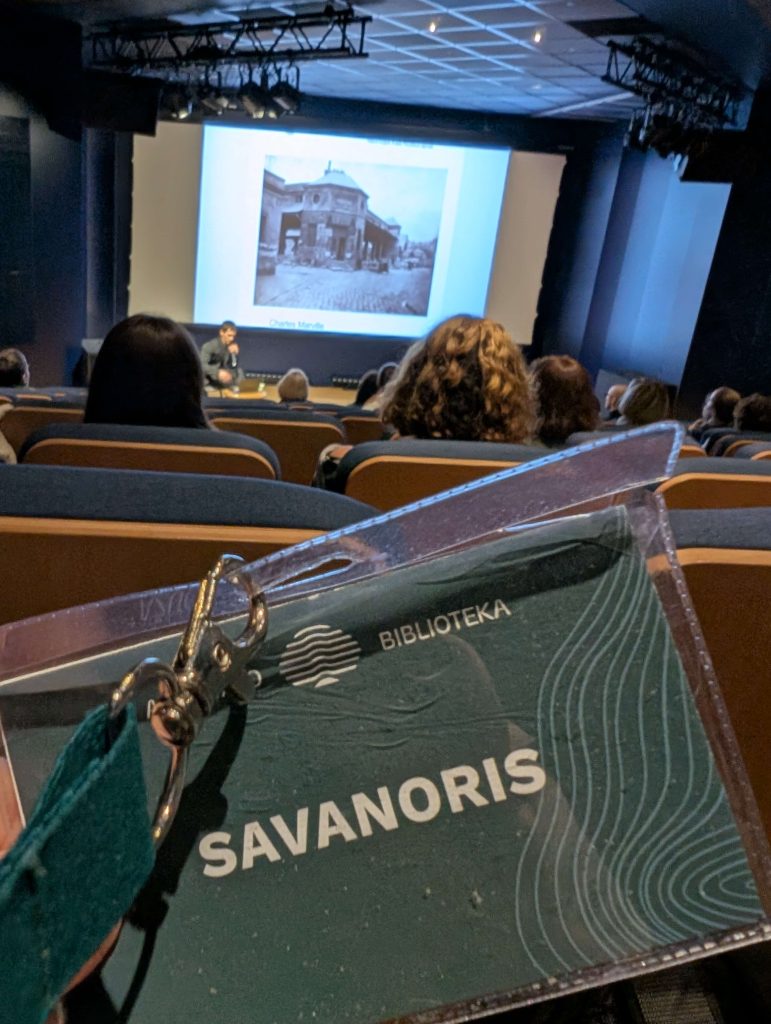
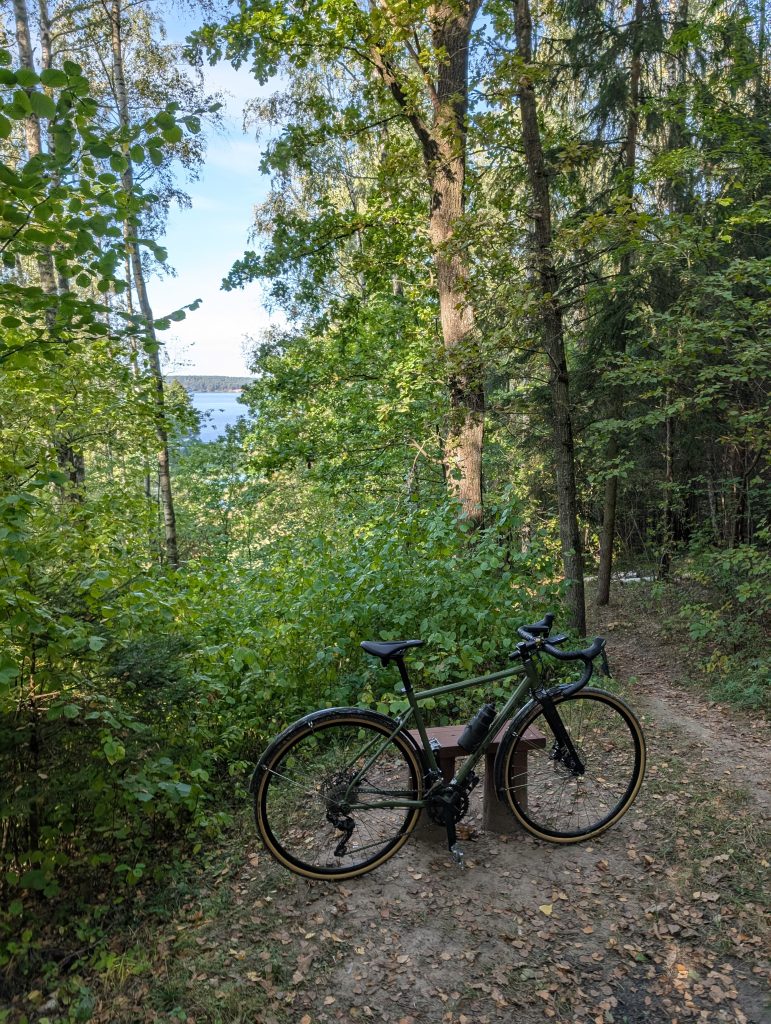
After the initial month, most of the things I did were pretty basic: taking long walks with my dog Monty, doing some cycling, updating and getting my gym routine in order, and reading books. To cover my need to do something useful beyond just myself, I signed up to volunteer at the local library.
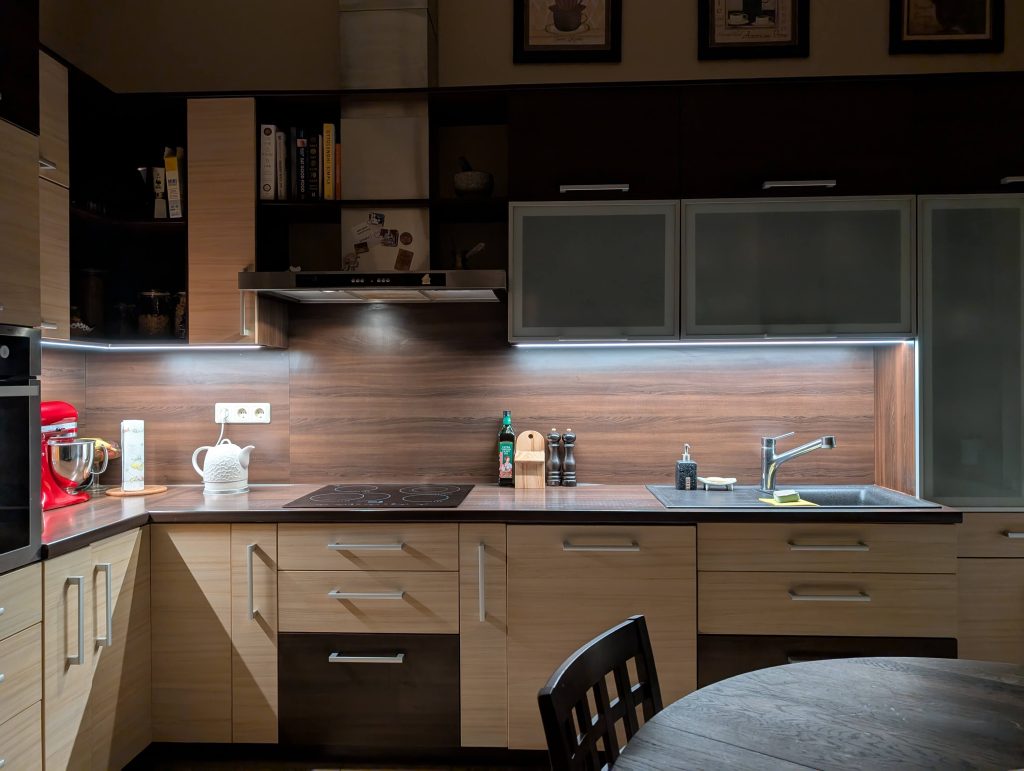
Aside from all that, I finally did not have the excuse to postpone all the housework I avoided doing due to lack of enough time and energy. I finally got around to buying a TV plus a stand for it, which was custom-made, and it took me an enormous amount of time to choose both the furniture and the TV. I also installed LED lighting for my kitchen and fixed up a wall, something I have been meaning to do since I moved into the apartment.
The crash that made me a runner
One definitive moment of the sabbatical was a bicycle trip to the seaside that I did with some friends. We had a plan to do a 280km trip in a day, a serious effort by all accounts, but trouble struck when we had a crash not having made even a third of the route. We decided to continue riding, despite the serious pain my wrist was in. During the ride it had swollen like a balloon, and after reaching the seaside and taking a nice picture, we immediately went to an emergency room.
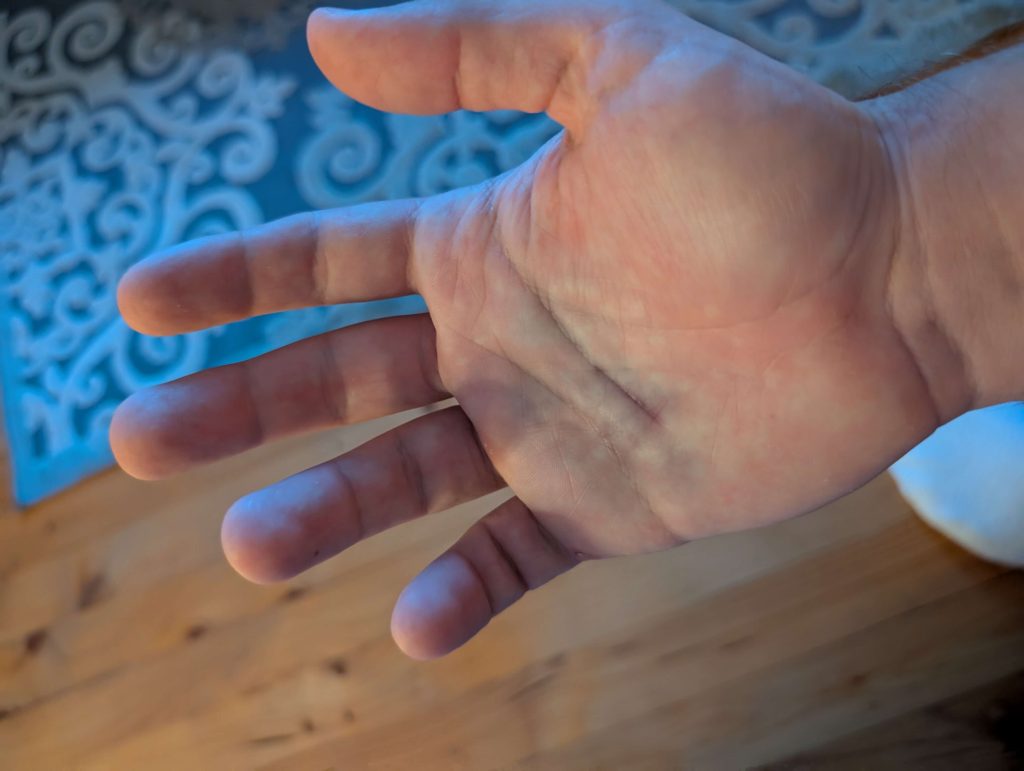
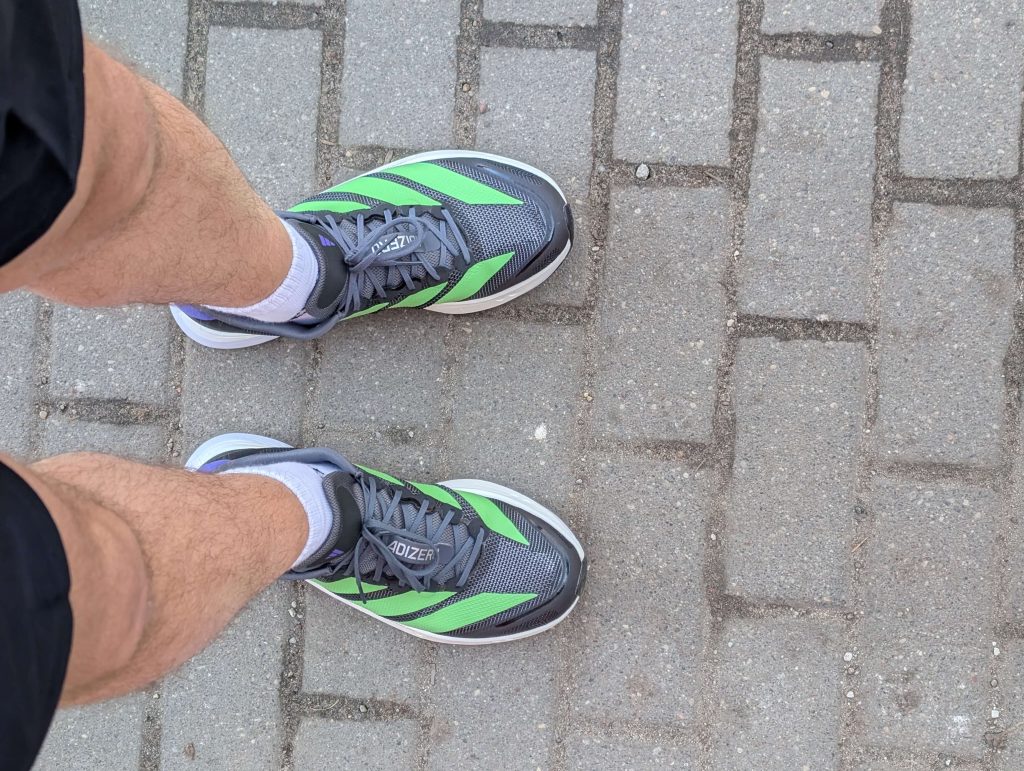
Turns out, a metacarpal bone in my hand was broken. First confirmed bone fracture in my life—straight into a cast for almost two months. Cycling, my main way of staying fit, was out of the question. As was gym and many other sports. So I looked at the only immediately viable option—running. I hated running all my life and the mere thought of it gave me shivers. But I had all the time and the energy in the world, so I decided to see if I could overcome my hatred of running.
The first weeks were agonizing—I would walk more than run. I would sweat like crazy and run out of breath almost immediately. Various parts of my legs were in mild pain for days after each run. But with time it got better and more tolerable. By the time winter came along, I was already capable of running 10km without stopping. I wouldn’t say I like running still, but I definitely tolerate it. It’s a practical addition that adds variety when cycling isn’t feasible, like during snowy winters, or most trips abroad.
The nagging feeling I was doing it wrong
At some point during the sabbatical I caught myself wondering if I was wasting a rare opportunity. Who knows when I’d have nine months free again—shouldn’t I be doing something more with it? Traveling further, going on some grand cycling adventure, radically stepping outside my comfort zone?
I visited Greece, Turkey, Belgium and Slovenia during those months, so it’s not like I stayed home. Greece deserves a special mention here, because it was the most spontaneous trip of my life—I confirmed the plans only two hours before the flight, something that would have never been possible if I was working. But the bigger adventures I considered, I never actually pursued.

Eventually I made peace with that. Everything I did during my career break—the gym routine, the dog walks, the home improvements, the travels—were things I could have done on weekends or during vacation while working. The difference wasn’t what I was doing. It was that for once I had the time and energy to actually do them properly, without rushing, without squeezing them in between obligations. That, I realized, was plenty enough.
Time does not have to fly
Many of us hold on to the belief that time flies past faster as you age. I also felt the same, that is, until my sabbatical. What caught me completely off-guard was that time started to pass so damn slow.
A week into my sabbatical, it already felt like I had not been working for a month. It’s a great thing—it means this break felt way longer than I initially anticipated, and that the scariest thing about time perception could actually be manipulated. I did a lot of thinking, trying to understand how this works. I tried comparing what was different now that I was not working, and what stayed the same. Below are my observations.
What was different compared to when I was working full time:
- I had far less cognitive load throughout the day (my work involved heavy thinking and context switching, so much that it sometimes gave me headaches by the end of the day)
- I felt like I had enough time for everything I wanted to do, without any stress about wanting to do more than 24 hours in a day allow
- I almost never had the feeling that I was in a rush, or being late somewhere
- I was way less productive—accomplishing roughly ten times fewer things even outside of work responsibilities
What stayed the same:
- Sleep duration and alarm clock usage
- Screen time (during my sabbatical I did some gaming, photo editing, hobby coding, and launched this website)
- Rate of exposure to new experiences (like new foods, places, people)
- Consistency in how similar days feel compared to each other in terms of routine
Usually people have a theory that to slow down time perception you need to introduce new stimuli into your life. Experience something novel, and time will slow down. That never worked for me, and the rate of new experiences stayed the same before and after I stopped working.
I also thought maybe time flies past fast because I am staring at a screen all day and not interacting with the “real world” as much. Turns out, also no. I can sit in front of a computer all day and still feel time dragging on slowly.
Looking at the differences, I developed my own theory: time perception is dependent on the feeling of having enough time for everything you want to do. If there is not enough, time will fly super fast. If there is enough, it will go slower. That would also explain why weekends fly by so fast—the feeling of having a weekend is compressed by the knowledge that it’s about to be over, as Monday comes. And vacations seem to fly by faster when you try to cram as much as possible into them. That’s my theory, and I am testing it out even now that I am back at work. It’s all about expectations—if I lower my expectations on how much I can achieve in a given day, perhaps time will pass slowly even in full-time work again.
How the nine months actually felt
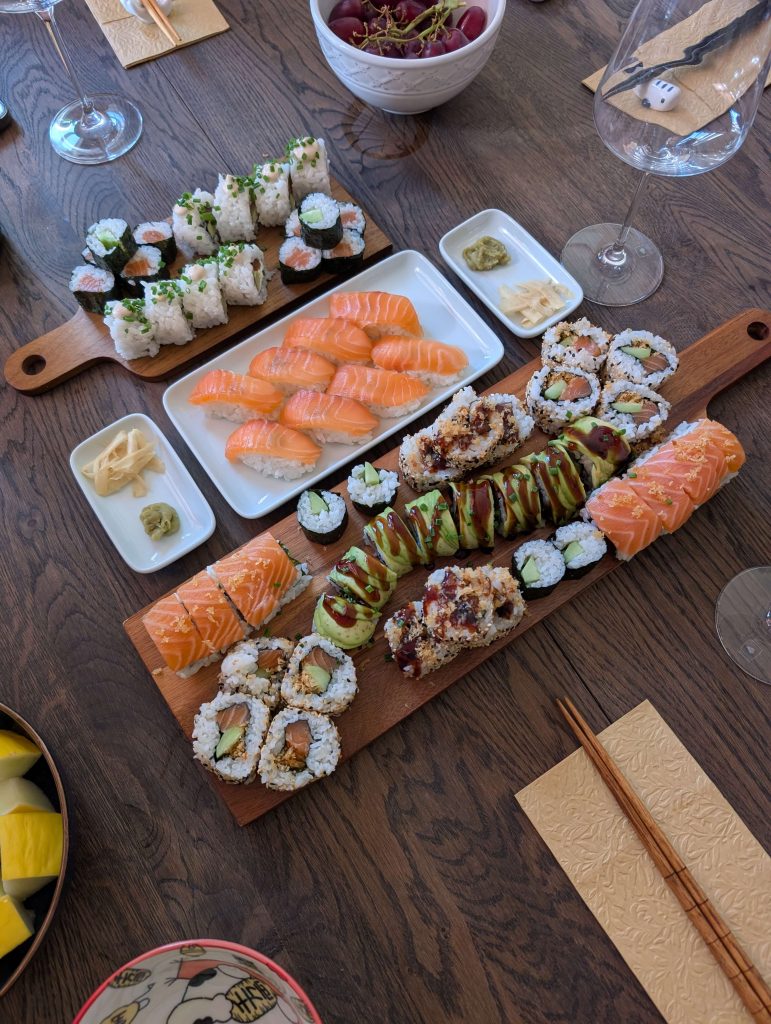
Looking back, the nine months had a natural rhythm to them that I didn’t plan but can clearly see in hindsight.
The first three months were pure decompression. I had no desire to think about work whatsoever—not even a passing curiosity about what was happening in my industry. On my friends’ advice I tried being deliberately unproductive at first, which sounds easier than it is. But it worked, and the tiredness slowly drained out.
Somewhere around month four things shifted. I started feeling ready—not restless, just ready. The intellectual itch came back first. I missed having something meaty to think about, a problem worth solving. But feeling ready to return and choosing to return turned out to be two completely separate decisions. I was in no hurry. I had the time, the financial runway, and no external pressure pushing me toward anything. So I stayed in the free time a little longer, deliberately, knowing this window wouldn’t stay open forever.
Around this time I started occasionally responding to headhunters and went to a few interviews without any serious intent. Partly as practice—it had been five years since I was on that side of the table. But also with a genuinely open mind: if the product was interesting, the mission compelling, the remote work policy sensible, I could see myself saying yes. The conditions rarely aligned, and I declined a particularly interesting offer that would have required three hours of commuting daily. Being the chooser rather than the beggar changes the dynamic considerably.
By months seven through nine I was looking earnestly. The hiring process at the company that I chose was long, but the signals were there from early on that it was a good fit. I finished my sabbatical employed—which felt like a good ending at the right time. I never had to use any of my backup plans.
What I would tell you if you are on the fence
The biggest thing I would want someone to hear before taking a sabbatical is that you don’t owe it a grand itinerary. No Kilimanjaro, no continent-spanning cycling adventure, no meditation retreat. At some point during my nine months I caught myself wondering if I was missing out—whether I should be doing something more remarkable with the time. I wasn’t. A sabbatical doesn’t need to be remarkable, as long as you use that time as you like.
What it does need is financial preparation. Knowing exactly how long my runway was, what my worst case scenario looked like, and that I had planned for it—that’s what made the whole thing feel spacious rather than stressful. Do that work before you leave, not after.
I am aware that none of this is available to everyone. A sabbatical requires savings, and savings require circumstances that not everyone has. I won’t pretend otherwise. But if you are in a position where it’s theoretically possible and you’ve been telling yourself it isn’t—that’s worth examining honestly.
The one thing I’d repeat is this: everything I did during those nine months was ordinary. Walks, gym, reading, home improvements, travels, friends. Nothing I couldn’t have done on a weekend or during annual leave. The difference was that for once I had the time and energy to do all of it without rushing, without rationing, without the low hum of Monday morning already approaching. That’s what a sabbatical actually gives you. Not necessarily a different life—just your life, with the scarcity removed.

Go make the spreadsheet
If you’ve been daydreaming about a sabbatical and talking yourself out of it, I hope this was useful. My nine months were not exceptional—and that’s exactly the point. The version of a sabbatical that’s available to most people looks a lot more like mine than like the ones you usually read about. And that version is worth taking seriously.
Start with the spreadsheet. The rest tends to follow.